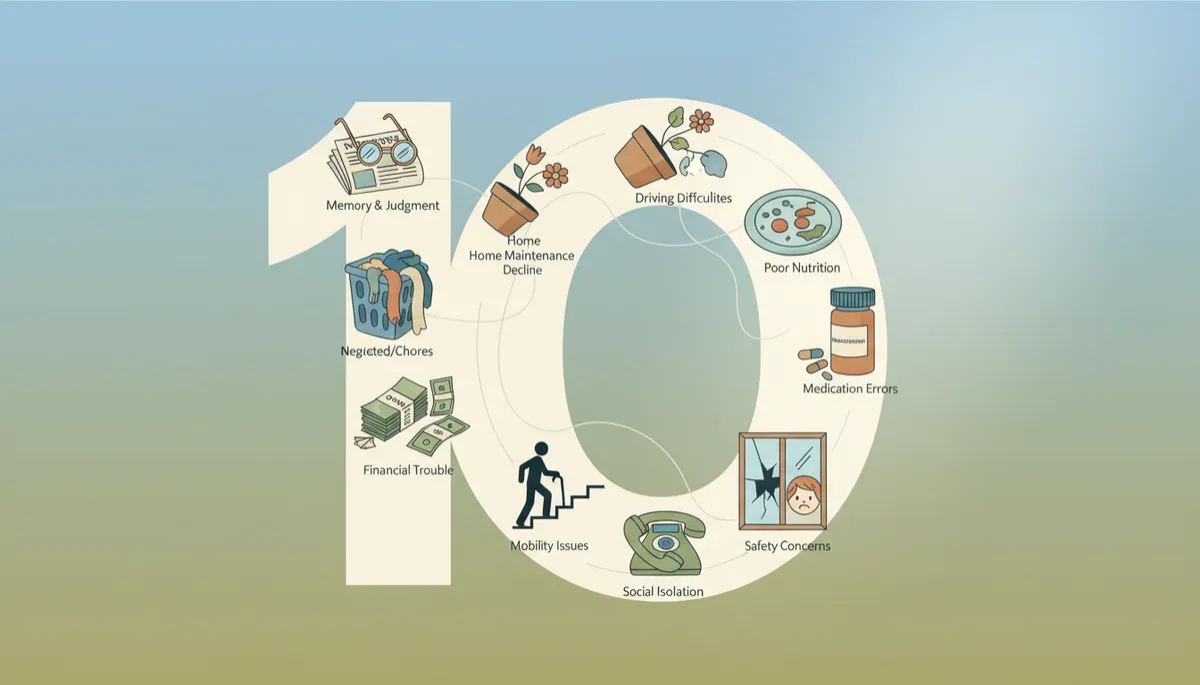
10 Signs Your Aging Parents Need Home Help
Caregiving, Aging Parents, Home Care
10 Warning Signs Your Aging Parents Need Help at Home
Noticing changes in your aging parents can be unsettling. Are they just “getting older,” or are these signs that they need more support at home? Understanding the difference helps you step in early, protect their safety, and preserve their independence for as long as possible.
Why Paying Attention to Early Warning Signs Matters
Many older adults are proud of their independence and may hide how much they’re struggling. At the same time, families often live far away, visit briefly, and miss what’s really going on day to day. That’s why it’s so important to know the warning signs that your parents may need help at home.
When you notice and respond to these changes early, you can often:
Prevent falls, hospitalizations, and medical emergencies
Reduce stress for your parents and for yourself
Make gradual changes instead of rushing into a crisis decision
Below are ten of the most common signs that your aging parents may need help at home, what they can mean, and how you can respond with compassion and practicality.
1. Changes in Personal Hygiene and Appearance
If your once well-groomed parent is suddenly wearing the same clothes for days, skipping showers, or has noticeably unkempt hair or body odor, it’s more than just a fashion issue. It can signal:
Physical challenges, such as difficulty stepping into the tub or standing long enough to shower
Cognitive decline, making them forget whether they’ve bathed or changed clothes
Depression, which can drain motivation for self-care
Rather than criticizing, try gentle questions: “Is the shower feeling a bit slippery?” or “Would a shower chair make it easier?” This opens the door to discussing in-home help, grab bars, or other supports that keep them safe while preserving dignity.
2. Unintentional Weight Loss or Poor Nutrition
Notice if your parent’s clothes look looser, their face appears thinner, or you see little food in the fridge. Unintentional weight loss or obvious poor nutrition can be a red flag for:
Trouble grocery shopping or carrying bags into the house
Difficulty standing to cook, using the stove, or reading labels and appliance controls
Memory issues leading to forgotten meals or expired food being eaten
Open the refrigerator and pantry when you visit. Look for spoiled food, multiples of the same item, or almost nothing on the shelves. Solutions can range from grocery delivery and meal kits to a home care aide who prepares simple, nutritious meals and monitors eating habits.

Shared meal prep can reveal hidden challenges with cooking, balance, and appetite.
3. Difficulty Managing Medications
Many older adults take multiple prescriptions, often at different times of day. Warning signs that your parent is struggling with medication management include:
Pill bottles scattered around the house or stored in unsafe places
Confusion about which pills to take and when, or missed doses showing in pill organizers
Duplicate medications from different doctors, or outdated prescriptions still being taken
Medication errors can lead to dizziness, falls, hospitalizations, and serious health complications. Consider setting up a weekly pill organizer, using reminder apps or automatic dispensers, or arranging for a caregiver to assist with medication prompts and refills. It’s also wise to bring all pill bottles to a primary care visit for a “medication review.”
4. Increased Falls, Bruises, or Mobility Problems
A single fall can change everything for an older adult. Even if your parent insists they “just tripped,” repeated falls, unexplained bruises, or a new fear of walking are serious warning signs. Pay attention to:
Holding onto furniture or walls when walking through the house
Difficulty getting in and out of chairs, bed, or the car
Shuffling steps, unsteady gait, or relying on a cane or walker incorrectly
An in-home safety assessment by a physical therapist or home care agency can identify fall risks like loose rugs, poor lighting, or cluttered walkways. Adding grab bars, railings, non-slip mats, and regular help with tasks that require bending or reaching can dramatically lower the risk of injury. If mobility is declining, scheduled visits from a caregiver can provide both supervision and hands-on assistance with transfers and walking.
5. Neglected Housekeeping and Home Maintenance
Your parents’ home can tell you a lot about how they’re really doing. If a once-tidy house is now cluttered, dusty, or even unsafe, they may be overwhelmed. Look for:
Stacks of unopened mail, unpaid bills, or late notices on the counter
Overflowing trash, dirty dishes, or strong odors in the home
Laundry piled up, stained bedding, or bathrooms that clearly haven’t been cleaned in a while
These changes may indicate physical limitations, vision problems, depression, or cognitive decline. Start by helping with a few tasks together, like sorting mail or doing a thorough clean of one room. Then discuss whether regular housekeeping help or a home care aide a few times a week could keep things manageable and safe.
6. Memory Lapses and Confusion in Daily Life
Everyone forgets names or misplaces keys now and then. But memory issues that disrupt daily life are different. Warning signs include:
Repeating the same questions or stories within a short time frame
Missing appointments, forgetting to pay bills, or getting lost on familiar routes
Confusion about time, place, or people they know well
Memory problems can stem from many causes, including medication side effects, infections, vitamin deficiencies, depression, or dementia. It’s important not to assume. Encourage a medical evaluation and, if needed, a referral to a neurologist or memory clinic. In the meantime, more frequent check-ins, written reminders, and in-home support with routine tasks can help keep your parent safe and reduce anxiety on both sides.
7. Changes in Mood, Personality, or Social Engagement
Aging doesn’t automatically mean becoming withdrawn or irritable. If your cheerful, social parent now seems anxious, angry, or uninterested in activities they once enjoyed, it may be a sign that they’re struggling more than they admit. Watch for:
Loss of interest in hobbies, clubs, religious services, or seeing friends and family
Increased irritability, suspiciousness, or uncharacteristic comments
Tearfulness, hopelessness, or talking about feeling like a burden
Loneliness and depression are common among older adults, especially after the loss of a spouse, health changes, or driving retirement. Companionship visits from family, friends, or a home care professional can make a significant difference. Encourage your parent to talk with their doctor about mood changes; counseling or medication may help. Regular social contact—whether in person, by phone, or online—can also lift their spirits and reduce the risk of cognitive decline.
8. Trouble Managing Finances and Paperwork
Financial tasks that were once simple can become overwhelming with age, especially if vision, memory, or attention are declining. Warning signs include:
Unopened mail, late payment notices, or calls from creditors or utilities
Difficulty balancing a checkbook, understanding bank statements, or tracking automatic payments
Falling for scams, giving money to strangers, or making unusual purchases
Money problems can quickly jeopardize your parents’ stability and open them up to financial abuse. Offer to “help get things organized” rather than taking over. You might set up automatic bill pay, consolidate accounts, or arrange for monthly reviews together. In some cases, it may be appropriate to establish a durable power of attorney or work with a trusted financial professional to safeguard their assets while respecting their autonomy as much as possible.
9. Unsafe Driving or Transportation Challenges
Giving up driving is one of the most emotionally charged topics for older adults. For many, the car represents independence and freedom. Still, safety must come first. Warning signs that your parent may need help with transportation include:
New dents or scrapes on the car, mailbox, or garage door that they can’t explain clearly
Getting lost while driving familiar routes, especially at night or in bad weather
Complaints from passengers, neighbors, or others about their driving
If your parent has already stopped driving because they feel unsafe or overwhelmed, that’s also a sign they may need more support. Without reliable transportation, it’s harder to get to appointments, shop, or stay socially active. Explore alternatives like rides from family and friends, senior transportation services, ride-share apps, or a home care aide who can provide safe transportation and companionship on errands and outings.
10. Caregiver Burnout or Gut Feelings That “Something’s Not Right”
Finally, one of the most overlooked warning signs that your parents need more help is your own stress level and intuition. If you’re constantly worrying about them, losing sleep, or feeling like you’re always “on call,” that may be a sign that the current arrangement is no longer sustainable or safe. Pay attention if:
You’re fielding frequent crisis calls—falls, missed medications, or urgent errands—on top of your own responsibilities
Siblings or neighbors express concern about your parents’ well-being or safety at home
You have a persistent feeling that “something is off,” even if you can’t point to one dramatic change
Your instincts are valuable. You know your parents better than almost anyone. If you’re uneasy, it’s worth taking a closer look, talking openly with them, and exploring options for additional support at home. Taking action early doesn’t mean you’re giving up on their independence—it means you’re protecting it by preventing crises that could force sudden, unwanted changes.
How to Start the Conversation About Getting Help at Home
Recognizing warning signs is only the first step. The next—and often hardest—part is talking with your parents about what you’re seeing and what might help. A few strategies can make the conversation more productive and less confrontational:
Choose the right moment. Pick a calm, unhurried time when you’re both relatively relaxed, not in the middle of a crisis or argument.
Use “I” statements. Instead of “You can’t manage on your own,” try “I’ve been feeling worried about you falling when you shower. Can we talk about ways to make it safer?”
Focus on independence. Frame help at home as a way to stay in their own house longer, not as a step toward losing control.
You might start with small, specific supports—like a weekly housecleaner, meal delivery, or a few hours of home care—rather than proposing a major change all at once. As your parents experience the benefits, they may become more open to additional help if and when it’s needed.
Practical Next Steps If You’re Seeing These Warning Signs
If several of these signs sound familiar, you don’t have to figure everything out alone. Consider taking these practical steps:
Schedule a checkup with your parent’s primary care doctor and share your observations in advance, with your parent’s permission when possible.
Ask for referrals to specialists such as a geriatrician, physical therapist, or social worker who understands aging and home safety.
Contact reputable home care agencies to learn about services like personal care, meal preparation, transportation, and companionship.
It can also help to involve siblings or other close relatives in a calm, coordinated way. Decide together who will handle which responsibilities, and be honest about your own limits. A realistic, shared plan reduces resentment and makes it easier to respond if your parents’ needs change over time.
📌 Key Takeaway: The goal of getting help at home isn’t to take over your parents’ lives—it’s to give them the support they need to live safely, comfortably, and with as much independence as possible.
Bringing It All Together: Support, Safety, and Respect
Watching your parents age is emotional. You may feel guilt, fear, frustration, and deep love all at once. Recognizing the warning signs that they need help at home doesn’t mean you’ve failed them—it means you’re paying attention and willing to step up when it matters most.
Look for changes in hygiene, nutrition, medication management, mobility, housekeeping, memory, mood, finances, driving, and your own stress level. Each one is a piece of the puzzle. Together, they can give you a clearer picture of how your parents are really doing and what kind of support might help them thrive at home.
Most importantly, remember that asking for and accepting help is a sign of strength, not weakness—for both you and your parents. With the right combination of family involvement, professional support, and thoughtful planning, it’s possible to honor their wishes, protect their safety, and navigate this season of life with compassion and respect for everyone involved.

