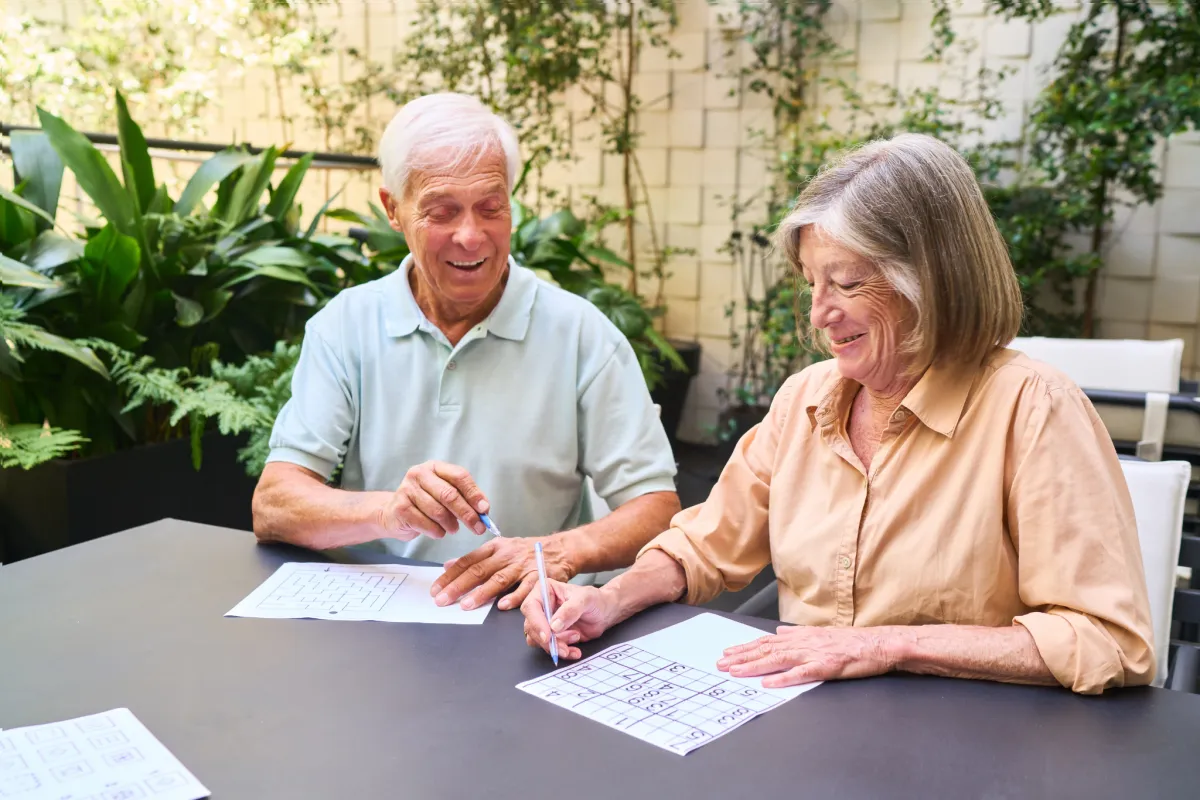
How to Keep Seniors Mentally Active at Home
Unlocking Ageless Minds: Top Ways to Keep Seniors Mentally Active at Home
One of the biggest ways to contribute to healthy ageing is by keeping seniors mentally active at home. In old age, people need a good deal of mental activity to maintain memory, cognitive acuity, emotional well-being and quality of life. With the right activities and support, seniors can remain active, confident and mentally strong.
When you’re trying to find ways to enhance senior mental health at home that are easy and fun, these expert-recommended tips can help make a difference.
Encourage Lifelong Learning
The best way to help older adults maintain cognitive health is to encourage a culture of constant learning. It has been seen that acquiring new skills engages and develops multiple areas of the brain.
1- Ideas for at-home learning:
Online classes (art, music, language learning, technology skills)
Audiobooks or podcasts
YouTube tutorials for hobbies such as painting or gardening
These pursuits exercise memory, attention, and creativity—major parts of cognitive brain training for senior citizens.
2- Promote Social Interaction
There is a relationship between amount of social contact and brain health. Older adults who remain socially connected have less stress and better brain function.
Ways to encourage social activity:
Video calls with grandchildren and friends
Virtual community events
Safe in-person visits with family
Clubs or support goups attended
Human connection can help stave off loneliness, a major risk factor for cognitive decline.
3- Use Brain-Boosting Games and Puzzles
Games exercise the mind and assist seniors to exercise focus, memory, problem-solving.
Try these cognitive activities:
Crossword puzzles
Word searches
Chess and card games
Brain training apps
Here are some fabulous activities for seniors at home that help with mental agility.
4- Encourage Physical Movement
Increased blood flow to the brain from physical activity helps us think clearer, improves our mood and overall brain function.
At-home exercises:
Light stretching
Daily walks
Adding regular physical activity to the schedule of an elderly loved one can help the person stay bright in mind and fit in body.
5- Support Creative Expression
Creative pursuits stimulate imagination, decrease anxiety, and boost self-esteem. They are also amazing for brain development when it comes to senior citizens.
Creative activities seniors enjoy:
Painting or coloring
Scrapbooking or crafting
Journaling or storytelling
Playing musical instruments
The elderly have seen the benefit of creativity in emotional and cognitive engagement.
6- Establish a Consistent Daily Routine
A routine helps with memory and decreases anxiety, and benefits seniors in a calm atmosphere where they can thrive. Senior brain health A well-rounded schedule that includes brain games, physical stimulation, relaxation and hobbies is what it takes to encourage the mental fitness of sinners.
7- Engage the Senses
Sensory stimulation can evoke memories, stimulate conversation and lift spirits.
Sensory activities include:
Baking or cooking together
Listening to familiar music
Sorting fabrics, beads, or photos
These are easy way to create a more engaging, environment at home.
How Havenova Home Care is Helping Improve Senior Mental Health
Stop allowing seniors to grow mentally tired, at Havenova Home Care we are here for families when help is needed to keep their minds actively engaged. Aimed at improving mental, emotional and cognitive health, their in-home caregivers go above and beyond to personally meet your needs.
How Havenova Home Care Champion Senior Mental Health:
1- Personalized Cognitive Activity Plans
Customized mental engagement plans are developed by caregivers based on the interests of each senior— reading assistance, puzzles, games, technology support and educational activities.
2- Meaningful Companionship
Consistent social interaction is essential. Our Havenova caregivers offer warm companionship that promote conversation, laughter, stories and emotional bonding.
3- Support With Daily Routines
They do not have to see any caregivers to whom they could pass on the virus, and can keep their daily routine: structured time, physical activity, nutrition and rest—all very important for long-term senior cognitive health.
4- Encouragement of Hobbies and Learning
Caregivers help teach older adults hobbies, new skills or digital activities to keep learning fun and accessible.
5- Ongoing Emotional & Cognitive Monitoring
Its trained caregivers can spot shifts in mood, behavior or thought and help families to respond early with appropriate support.
Through Havenova Home Care seniors have access to the very finest in home care, encouraging independence via excellent mental and emotional well being.
Final Thoughts
There’s no need for expensive gadgets or complex routines to keep seniors mentally active at home. Routine activity with a side of companionship, creativity and encouragement is also the simplest way to combat senior mental health issues and support their emotional well-being.
